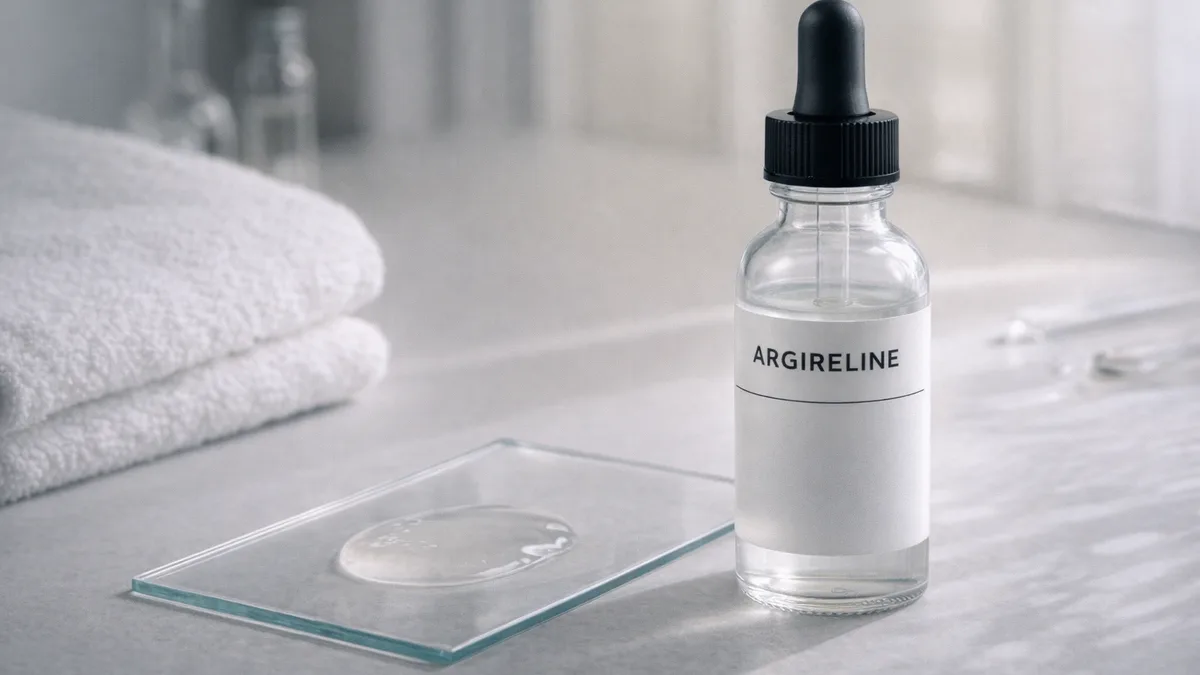
TOPICAL COSMETIC HEXAPEPTIDE
Argireline (acetyl hexapeptide-8)
Small studies have reported modest wrinkle changes with some Argireline formulations, but results are inconsistent and ordinary topical form...
CATEGORY
Skin peptides appear mainly in topical cosmetic products. Some formulations have small controlled studies, while others rely on laboratory or preclinical findings. Cosmetic use does not validate injectable, systemic, or medical claims.
Human trial or approved-indication records are available. Read each page for the exact scope and limits.
Cosmetics generally do not receive FDA premarket approval, except for color additives. Product claims can change the regulatory category: claims to treat disease or affect body structure or function may make a product a drug. GHK-Cu marketed for injection or systemic effects requires different regulatory analysis from a topical appearance claim.
ALL COMPOUNDS
TOPICAL COSMETIC HEXAPEPTIDE
Small studies have reported modest wrinkle changes with some Argireline formulations, but results are inconsistent and ordinary topical form...
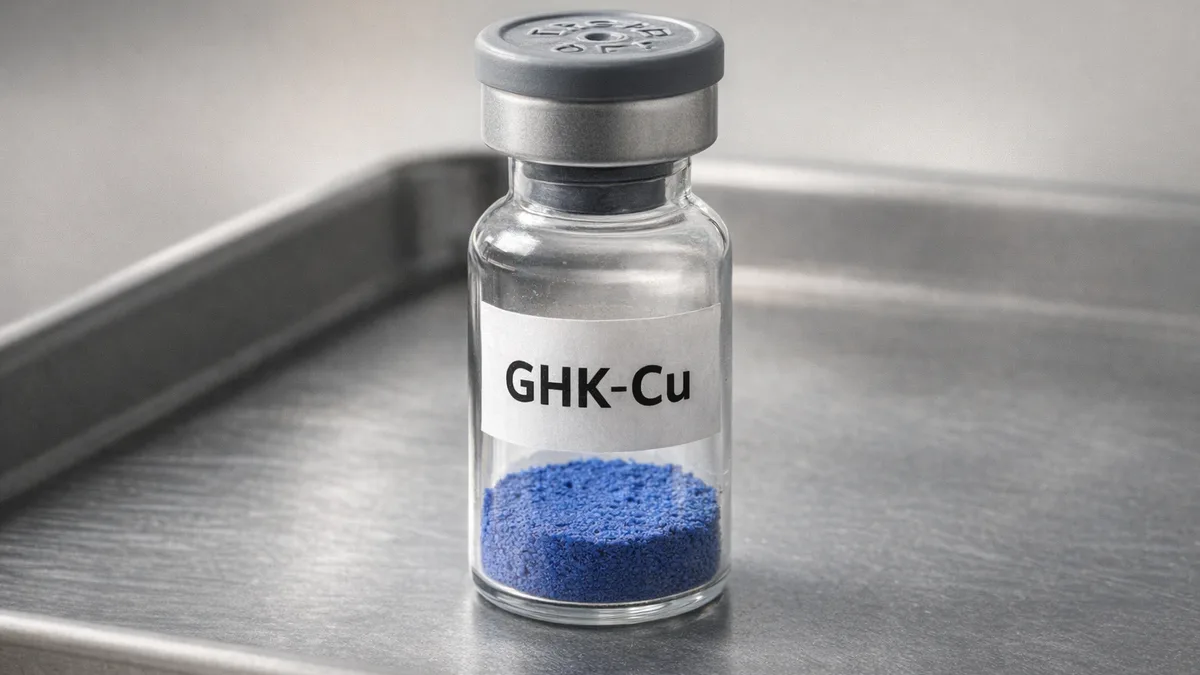
COPPER PEPTIDE
GHK-Cu is a copper-binding tripeptide studied mainly in topical skin contexts. In the reviewed sources, one small randomized human study fou...
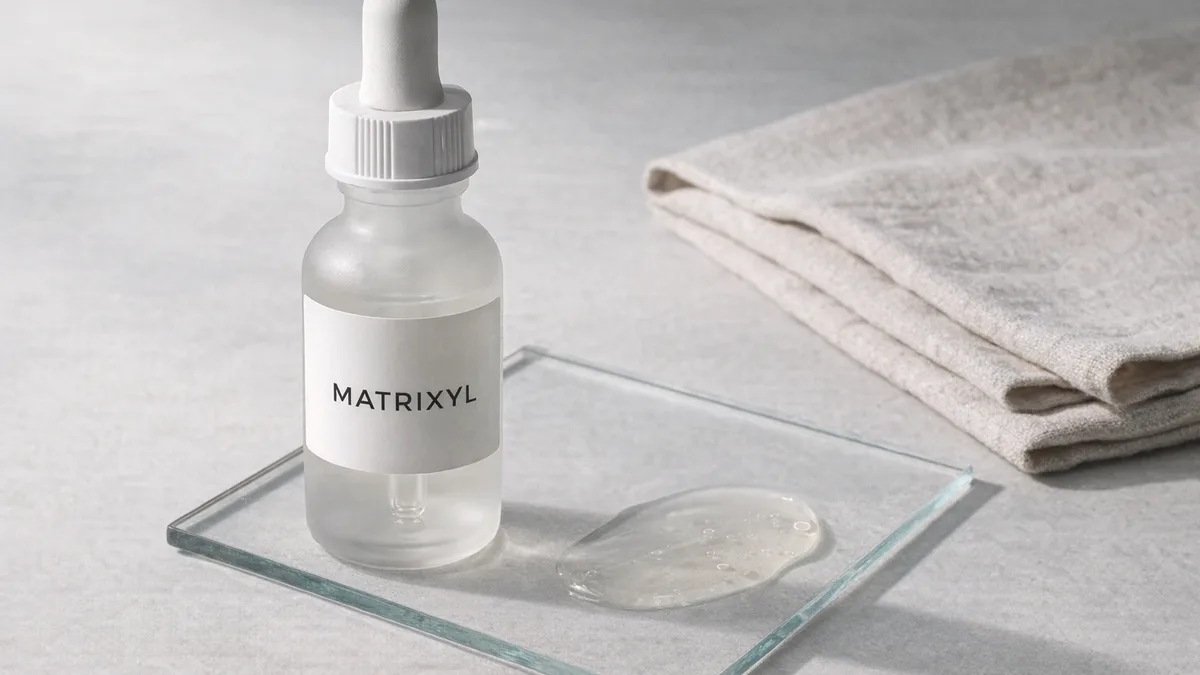
COSMETIC PEPTIDE
Matrixyl, or palmitoyl pentapeptide-4, is a cosmetic peptide used in anti-wrinkle skincare. Small controlled studies report modest changes i...