Video Watch

Popular YouTube shows can flag what readers are hearing. We track them as media signals, then verify claims against primary sources before updating guides.

Review method

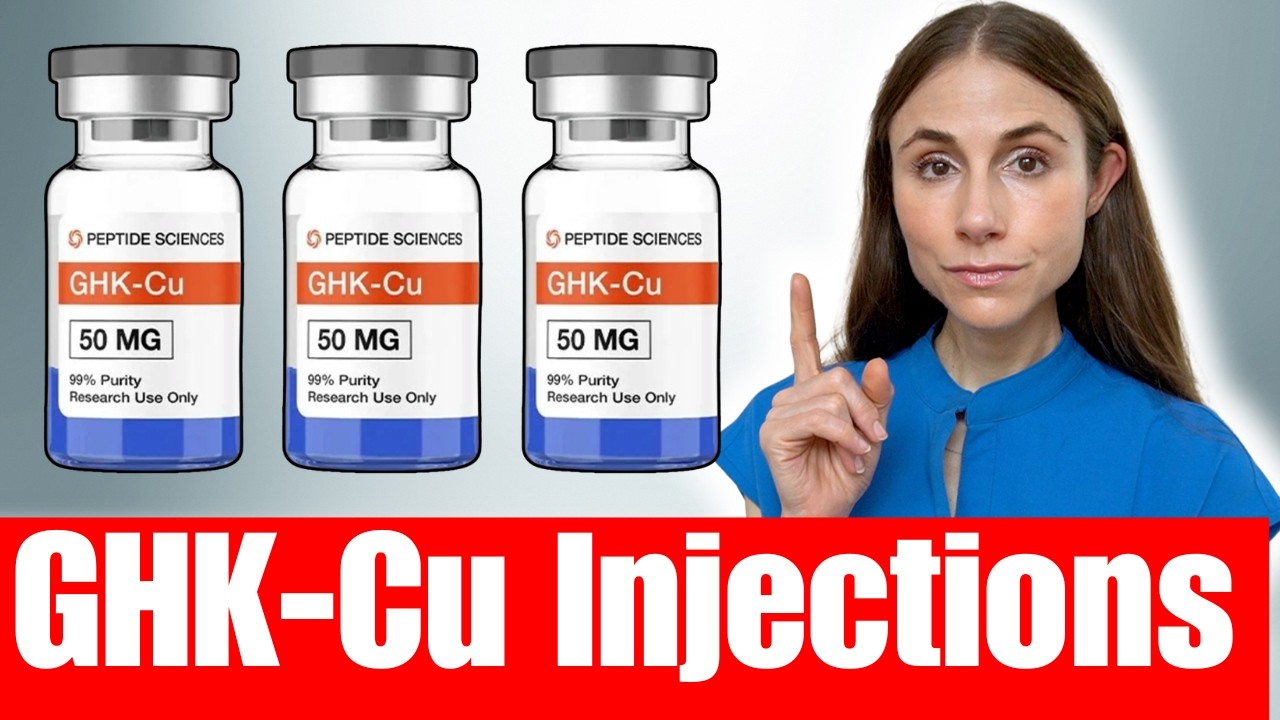
Dr. Explains Why Retatrutide is KING of Fat Loss Peptides

High-view retatrutide explainer using strong outcome language; useful for identifying claims that need careful source separation.

This Is Not Covered - Dr. Ashley Froese · 11:00 · published Mar 5, 2026

615K views · 1.2K comments · 224K subscribers · checked Jun 30, 2026

Check claims against primary regulatory and trial sources before any page update.

Peptides: The Science, Uses & Safety | Dr. Abud Bakri

Large-audience peptide safety conversation that can influence mainstream questions and category-level search demand.

Andrew Huberman · 2:48:23 · published Jun 1, 2026

416K views · 1K comments · 7.6M subscribers · checked Jun 30, 2026

Use only to identify questions and themes; cite primary sources for factual claims.

Retatrutide Masterclass (the 'how to' for EVERYTHING) - Dr Trevor Bachmeyer

Another long-form retatrutide masterclass format that helps compare recurring claims and audience questions.

Dr Trevor Bachmeyer · 1:16:50 · published Jan 17, 2026

200K views · 665 comments · 390K subscribers · checked Jun 30, 2026

Treat as a discovery source for public questions, not as evidence.

Our Rankings

Starting points for source-backed peptide research. These are editorial guide queues, not purchasing recommendations.

Don't miss peptide research updates that matter.

Review new source records, search data, and pages due for refresh before claims drift.

Peptide's Best

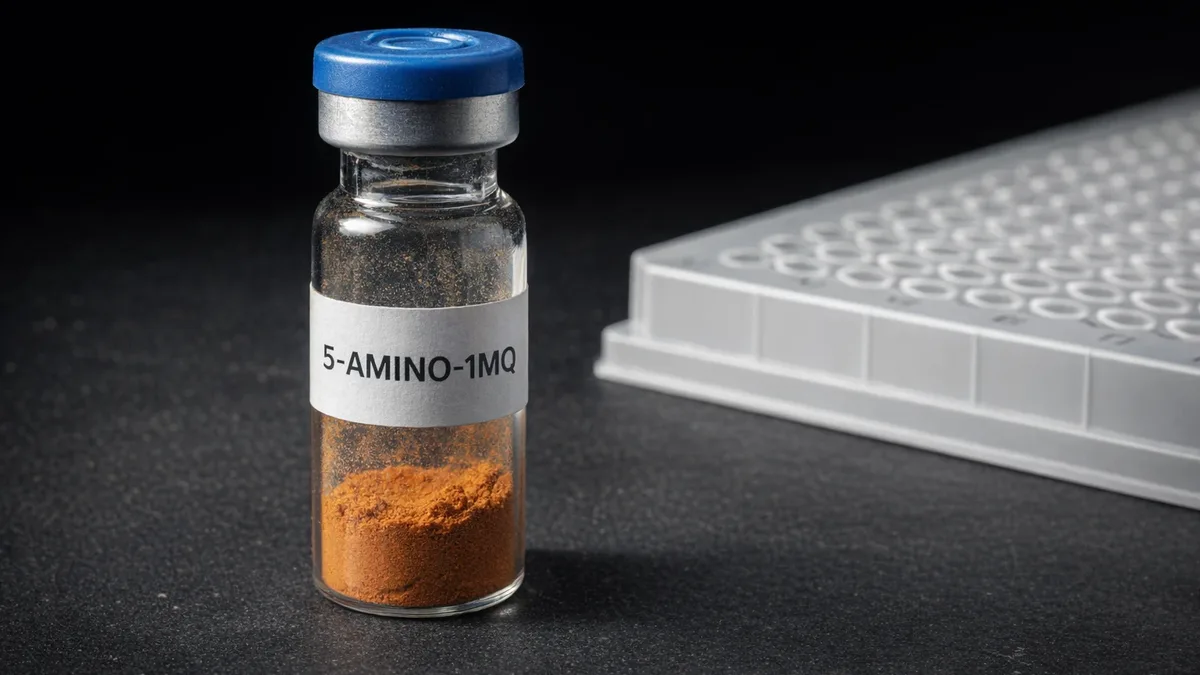
5-Amino-1MQ editorial research scene 5-Amino-1MQ

5-Amino-1MQ: what the public source record says

5-Amino-1MQ (5-amino-1-methylquinoline) is a small molecule inhibitor of nicotinamide N-methyltransferase (NNMT), an enzyme involved in cellular metabolism and energy homeostasis. It has been promoted in biohacking and fitness communities as 'exercise in a pill' based on preclinical studies showing reversal of diet-induced obesity in mice. There are no published human clinical trials. The compound is not FDA-approved for any indication and is sold only as a research chemical.

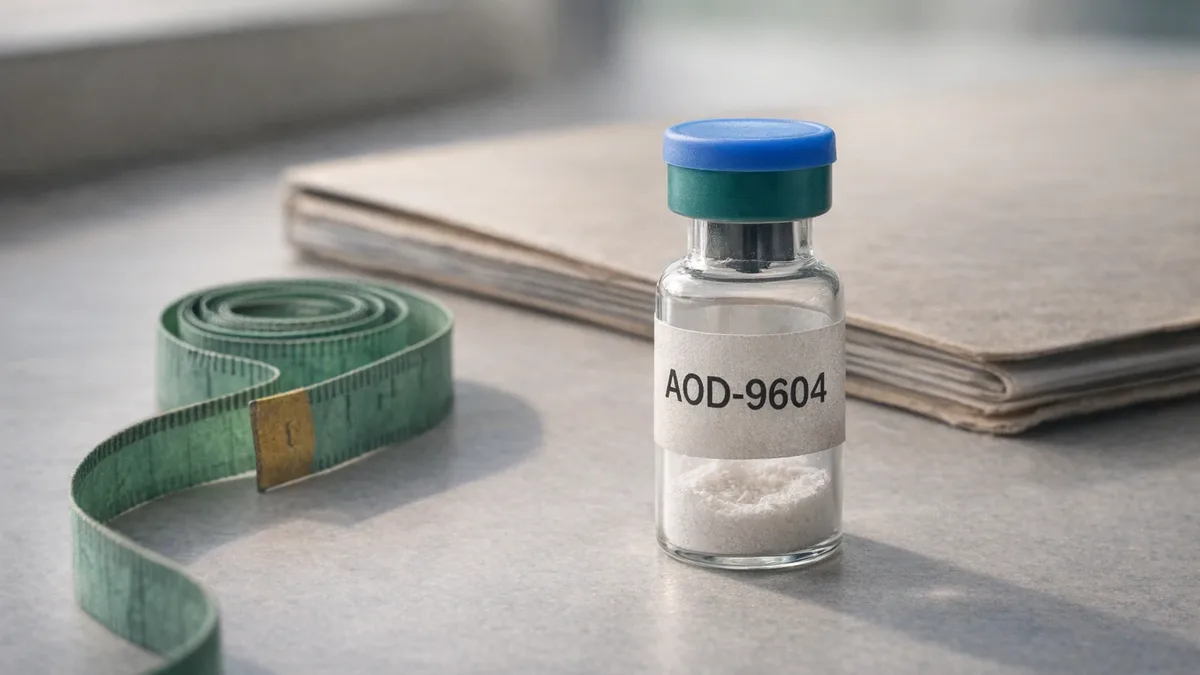
AOD-9604 editorial research scene AOD-9604

AOD-9604: what the public source record says

AOD-9604 is a synthetic peptide corresponding to the C-terminal fragment of human growth hormone (hGH) residues 177-191, developed by Metabolic Pharmaceuticals (Australia) as a lipolytic (fat-reducing) agent. Preclinical studies showed that this fragment retained the fat-reducing properties of hGH without its growth-promoting or diabetogenic effects. AOD-9604 advanced to Phase 2 clinical trials for obesity, but the trials failed to meet primary weight loss endpoints, and clinical development was discontinued. The peptide is not FDA-approved or TGA-approved for any indication and is sold as a research-use-only chemical. Despite the failed clinical program, AOD-9604 remains popular in the biohacking and fitness communities as a fat-loss agent.

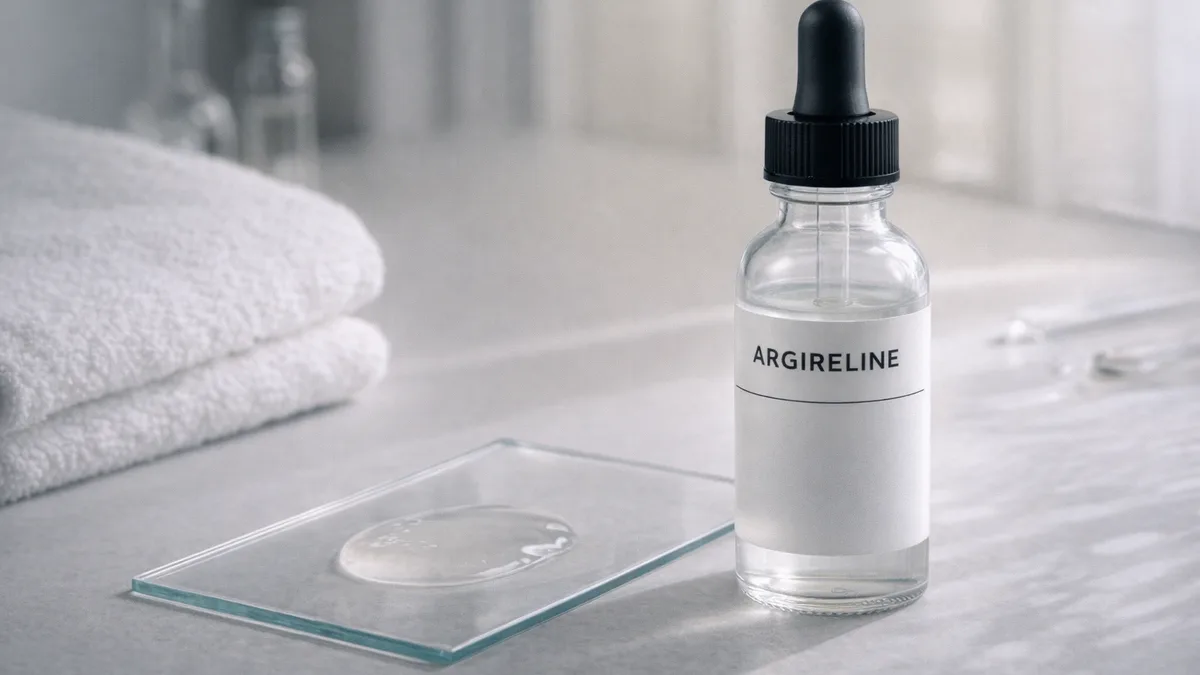
Argireline (Acetyl Hexapeptide-8) editorial research scene Argireline (Acetyl Hexapeptide-8)

Argireline (Acetyl Hexapeptide-8): what the public source record says

Argireline (Acetyl Hexapeptide-8, formerly Acetyl Hexapeptide-3) is a synthetic hexapeptide fragment of SNAP-25, a protein involved in neurotransmitter release and one of the targets of botulinum toxin. Marketed as a topical 'Botox alternative,' it is proposed to inhibit SNARE complex formation and reduce wrinkle depth. It is classified as an OTC cosmetic ingredient in the US and is widely used in anti-aging skincare formulations.

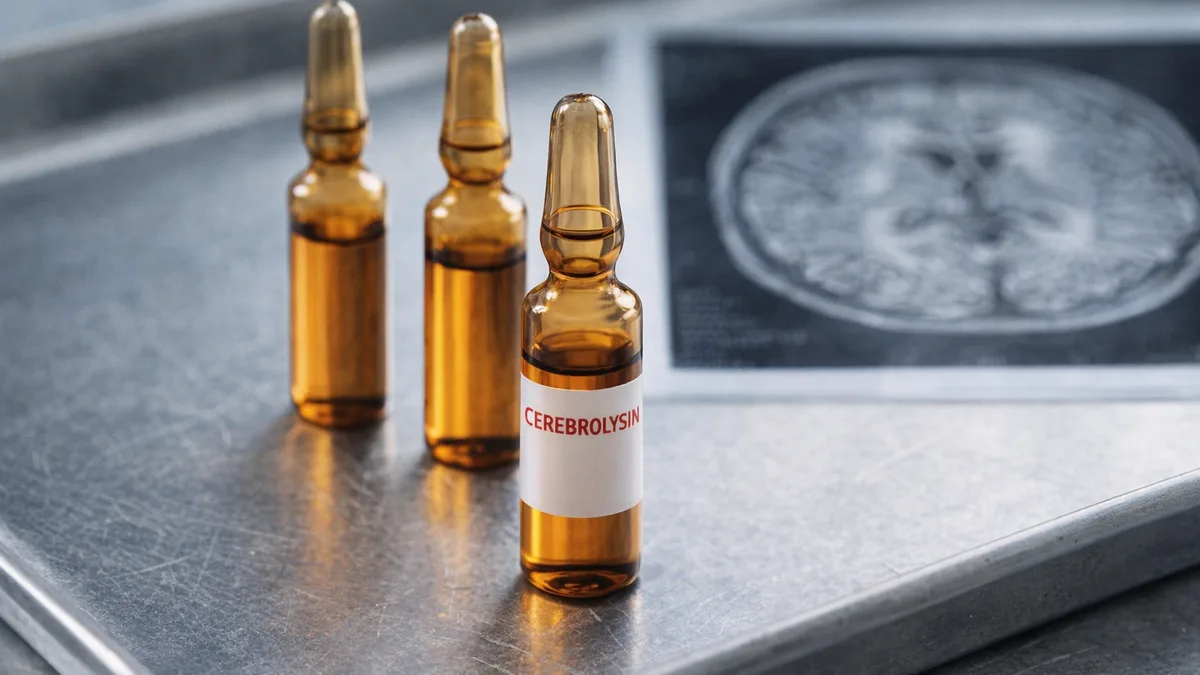
Cerebrolysin editorial research scene Cerebrolysin

Cerebrolysin: what the public source record says

Cerebrolysin is a porcine brain-derived peptide preparation (neuropeptide concentrate) with proposed neurotrophic and neuroprotective activity. It is approved and marketed in over 40 countries for neurological indications including stroke and dementia, but is NOT approved by the FDA for use in the United States. Over 100 clinical trials have been conducted, primarily outside the US. Cochrane systematic reviews have examined its use in vascular dementia with mixed conclusions.

Latest Guides

Browse the current peptide explainers by topic, status, and review depth.

5-Amino-1MQ editorial research scene 5-Amino-1MQ

5-Amino-1MQ: what the public source record says

5-Amino-1MQ (5-amino-1-methylquinoline) is a small molecule inhibitor of nicotinamide N-methyltransferase (NNMT), an enzyme involved in cellular metabolism and energy homeostasis. It has been promoted in biohacking and fitness communities as 'exercise in a pill' based on preclinical studies showing reversal of diet-induced obesity in mice. There are no published human clinical trials. The compound is not FDA-approved for any indication and is sold only as a research chemical.

AOD-9604 editorial research scene AOD-9604

AOD-9604: what the public source record says

AOD-9604 is a synthetic peptide corresponding to the C-terminal fragment of human growth hormone (hGH) residues 177-191, developed by Metabolic Pharmaceuticals (Australia) as a lipolytic (fat-reducing) agent. Preclinical studies showed that this fragment retained the fat-reducing properties of hGH without its growth-promoting or diabetogenic effects. AOD-9604 advanced to Phase 2 clinical trials for obesity, but the trials failed to meet primary weight loss endpoints, and clinical development was discontinued. The peptide is not FDA-approved or TGA-approved for any indication and is sold as a research-use-only chemical. Despite the failed clinical program, AOD-9604 remains popular in the biohacking and fitness communities as a fat-loss agent.

Argireline (Acetyl Hexapeptide-8) editorial research scene Argireline (Acetyl Hexapeptide-8)

Argireline (Acetyl Hexapeptide-8): what the public source record says

Argireline (Acetyl Hexapeptide-8, formerly Acetyl Hexapeptide-3) is a synthetic hexapeptide fragment of SNAP-25, a protein involved in neurotransmitter release and one of the targets of botulinum toxin. Marketed as a topical 'Botox alternative,' it is proposed to inhibit SNARE complex formation and reduce wrinkle depth. It is classified as an OTC cosmetic ingredient in the US and is widely used in anti-aging skincare formulations.

Cerebrolysin editorial research scene Cerebrolysin

Cerebrolysin: what the public source record says

Cerebrolysin is a porcine brain-derived peptide preparation (neuropeptide concentrate) with proposed neurotrophic and neuroprotective activity. It is approved and marketed in over 40 countries for neurological indications including stroke and dementia, but is NOT approved by the FDA for use in the United States. Over 100 clinical trials have been conducted, primarily outside the US. Cochrane systematic reviews have examined its use in vascular dementia with mixed conclusions.

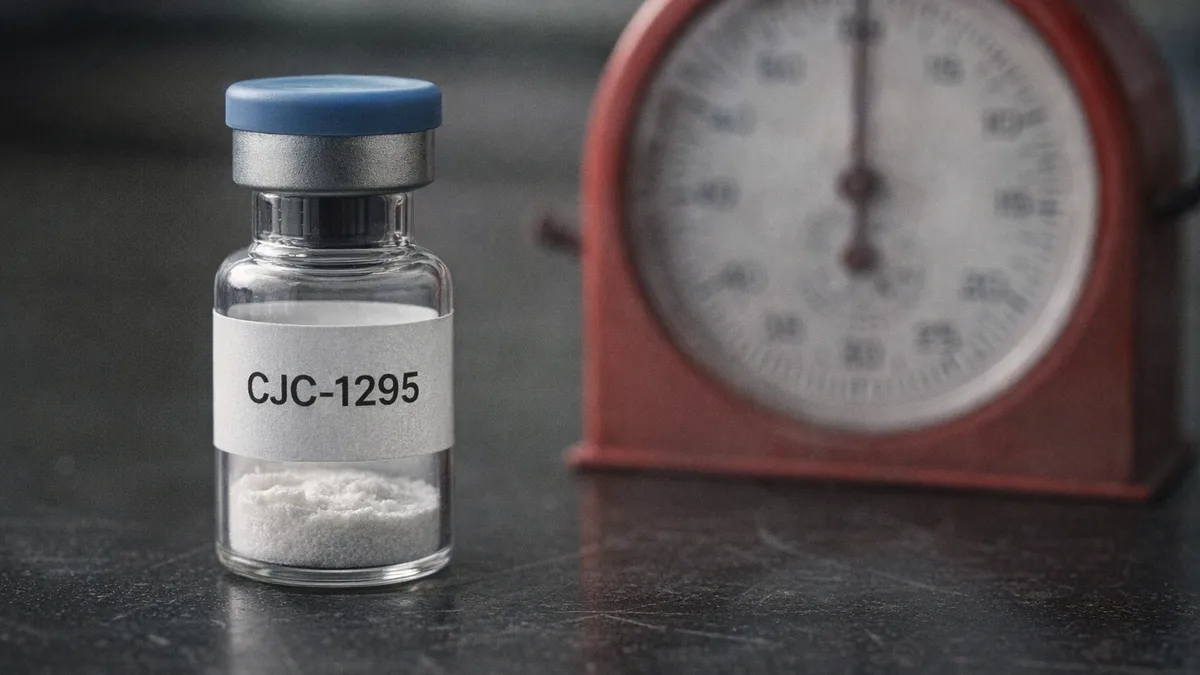
CJC-1295 editorial research scene CJC-1295

CJC-1295: what the public source record says

CJC-1295 is a synthetic growth hormone-releasing hormone (GHRH) analog developed by ConjuChem with drug affinity complex (DAC) technology for extended half-life. It is not FDA-approved for any indication; ConjuChem discontinued clinical development. It is widely used in research-chemical and telehealth contexts, frequently stacked with ipamorelin.

Dihexa editorial research scene Dihexa

Dihexa: what the public source record says

Dihexa (N-hexanoic-tyr-ile-(6) aminohexanoic amide) is a metabolically stabilized analog of angiotensin IV developed by researchers at Washington State University, including Joseph W. Harding and Jay W. Wright. It was designed to activate the hepatocyte growth factor (HGF)/c-Met receptor system, which is implicated in synaptogenesis and cognitive function. Dihexa has been studied only in animal models (rats and mice); no human clinical trials have been published. It is not FDA-approved for any indication and is sold as a 'research chemical' or supplement despite lacking any clinical safety or efficacy data in humans.

32guides live
19regulatory watch
88claims mapped
32review due

Source and review status

TopicStatusClaimsSourcesNext review
5-Amino-1MQ Regulatory watch 3 2 2026-07-29
AOD-9604 Regulatory watch 3 3 2026-07-29
Argireline (Acetyl Hexapeptide-8) Evidence review 3 3 2026-07-29
BPC-157 Regulatory watch 2 3 2026-07-24
Cerebrolysin Regulatory watch 3 4 2026-07-29
CJC-1295 Evidence review 3 3 2026-07-29
Dihexa Research watch — preclinical only 3 5 2026-07-29
DSIP Regulatory watch 1 2 2026-07-24
Epitalon Regulatory watch 1 2 2026-07-24
Fisetin Evidence review 3 3 2026-07-29
GHK-Cu Evidence review 1 1 2026-07-30
Ipamorelin Evidence review 3 3 2026-07-29
KPV Regulatory watch 1 2 2026-07-24
LL-37 Regulatory watch 3 4 2026-07-29
Matrixyl (Palmitoyl Pentapeptide-4) Evidence review 3 4 2026-07-29
Metformin Evidence review 4 6 2026-07-29
Methylene Blue Regulatory watch 3 4 2026-07-29
MK-677 (Ibutamoren) Evidence review 3 4 2026-07-29
MOTS-c Regulatory watch 1 2 2026-07-24
NAD+ / NMN / NR Regulatory watch 4 8 2026-07-29
Noopept Research watch — registered in Russia, sold as supplement in US 3 5 2026-07-29
Rapamycin (Sirolimus) Evidence review 4 8 2026-07-29
Retatrutide Regulatory watch 4 6 2026-07-29
Selank Research watch — preclinical and limited Russian clinical use 3 3 2026-07-29
Semaglutide Evidence review 4 11 2026-07-29
Semax Regulatory watch 1 2 2026-07-24
Sermorelin Evidence review 3 3 2026-07-29
Spermidine Evidence review 3 5 2026-07-29
TB-500 Regulatory watch 2 2 2026-07-24
Tesamorelin Regulatory watch 3 4 2026-07-29
Thymosin Alpha-1 Regulatory watch 3 3 2026-07-29
Tirzepatide Evidence review 4 9 2026-07-29